Zorig
Sanjaasuren
Personal History
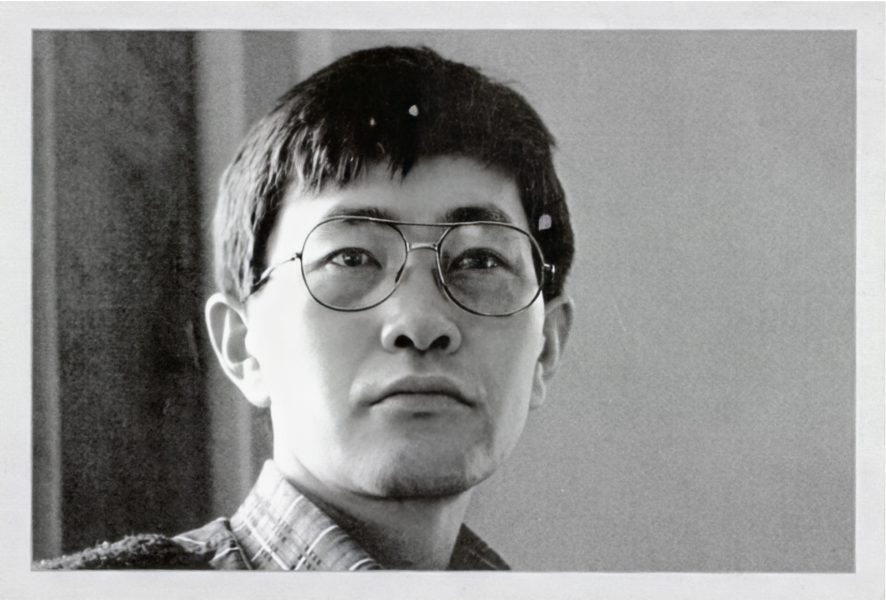
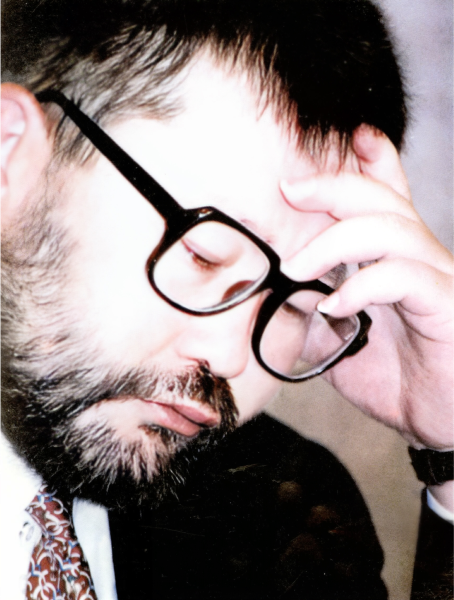
Sanjaasuren Zorig (1962-1998) was a Mongolian politician and the leader of the country's 1990 democratic revolution.
In 1980, he graduated from middle school No.23 in Ulaanbaatar, one of the city's Russian-language schools. From 1980 to 1985, he studied philosophy at the Moscow State University. Afterwards, he worked for a year as an instructor for the Mongolian Revolutionary Youth League in Ulaanbaatar, and in 1986 became a lecturer for scientific communism at the Mongolian State University. He became an accomplished chess player, later serving as the president of the Mongolian Chess Federation.
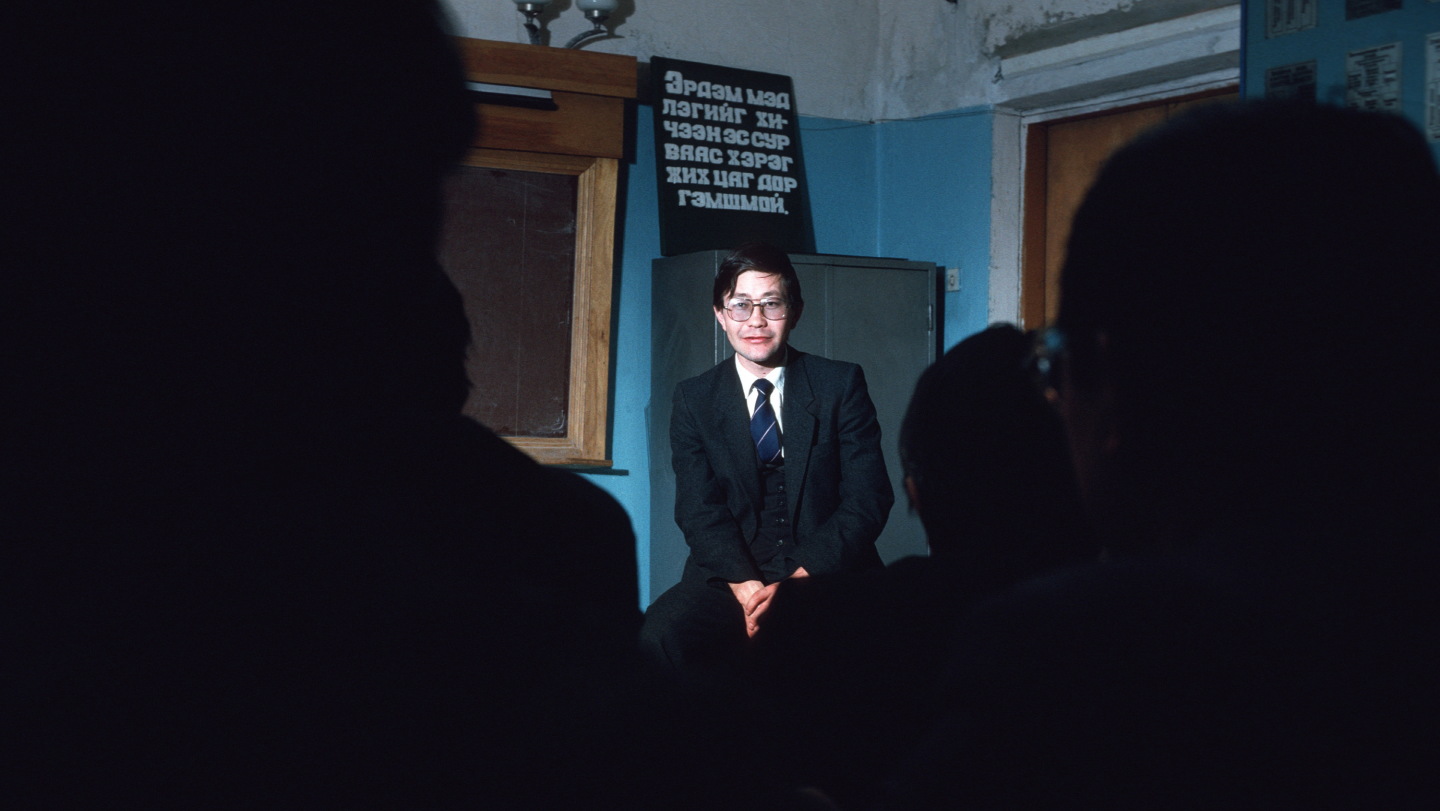
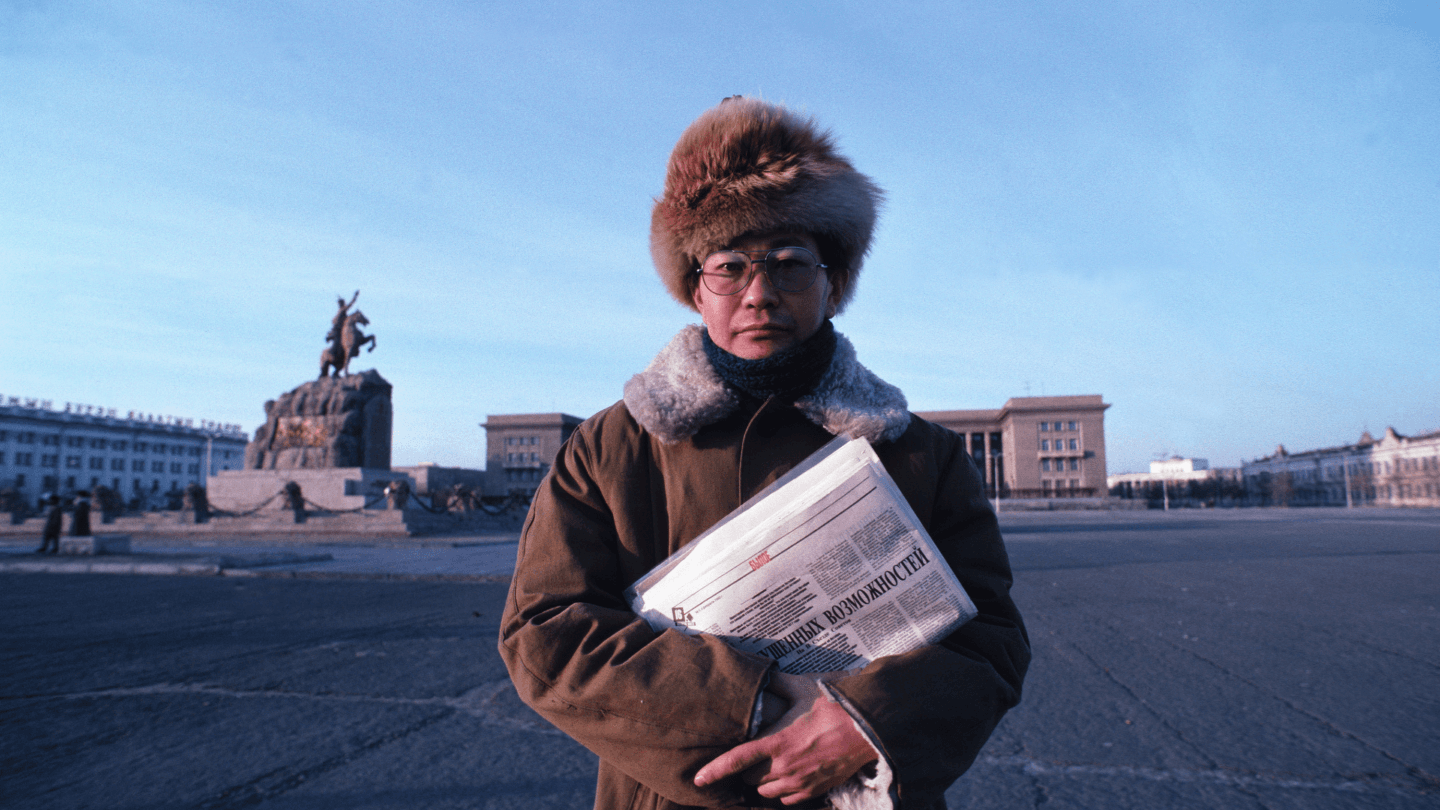
In 1989 and 1990, Zorig played a leading role in the events that led Mongolia to a multi-party system and parliamentary democracy. In December 1989, a month after the fall of the Berlin Wall, Zorig was elected by a group of activists to lead public protests demanding a free-market economy and free elections. In January 1990, Zorig and his fellows of the Mongolian Democratic Union (MDU) began staging weekend protests in Sükhbaatar Square, the center of Ulaanbaatar. The demonstrations started small, but as January passed into February, they grew into large crowds of tens of thousands of people. Confrontation between protesters and government authorities heightened. At one point, when protesters were scuffling with soldiers and an outbreak of violence seemed imminent, Zorig took a megaphone, sat atop the MDU member’s shoulders to make himself visible to the crowd, and called for calm. Violence was averted. The picture of Zorig addressing the protesters became a famous symbol of Mongolia's peaceful revolution. In March, the Politburo of the Mongolian People’s Revolutionary Party resigned and one-party rule in Mongolia ended. In June 1990, the first free elections were held and Zorig was elected to parliament. In the next elections held after the adoption of Mongolia's new democratic constitution in 1992, Zorig served as a member of Parliament and Chairman of the Mongolian Parliamentary Group. In 1996, when the Democratic Union Coalition won the majority in the parliamentary elections, Zorig was elected to chair the Standing Committee on Security and Foreign Policy. He also served as the Minister of Infrastructure Development. In October 1998, Zorig was considered the most suitable candidate to end the prolonged deadlock between the President and Parliament for the nomination of the new Prime Minister. But, instead, the people of Mongolia were shocked to hear the news: on the night of October 2, 1998, Zorig was brutally stabbed at his home by unknown assailants. Zorig’s murder case remains unsolved till now.
Zorig’s father, Sanjaasuren, was a professor at the Mongolian State University and also served as the Vice Minister of Education. Zorig's mother, Dorjpalam, was a pediatrician and the daughter of the respected Russian geographer A.D.Simukov, who lived and worked in Mongolia for 16 years and was studying the country and helping its scientific development. Dorjpalam herself acted in a popular Mongolian movie about a Russian doctor. Zorig was the second of three children in the family. After Zorig’s assassination, his younger sister Oyun, a Cambridge Ph.D., entered politics and led a successful political career, being elected to Mongolian Parliament five times and serving as Minister of Foreign Affairs and Minister of Environment.
As one of the most prominent Mongolian politicians, Zorig Sanjaasuren valued the concept of national consensus of independent and equal political forces. His political activities focused on the speedy democratization of Mongolian society, creating a sound legal foundation for building a market economy and making Mongolia a free and open country compatible with global trends.
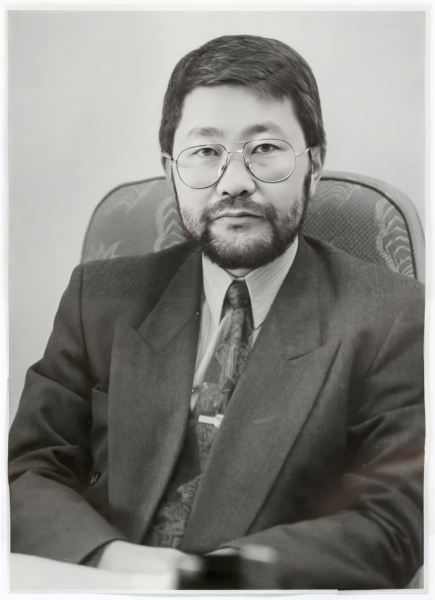
“I believe that in philantropy one should do the right thing, whether or not it succeeds.”
-Zorig Sanjaasuren